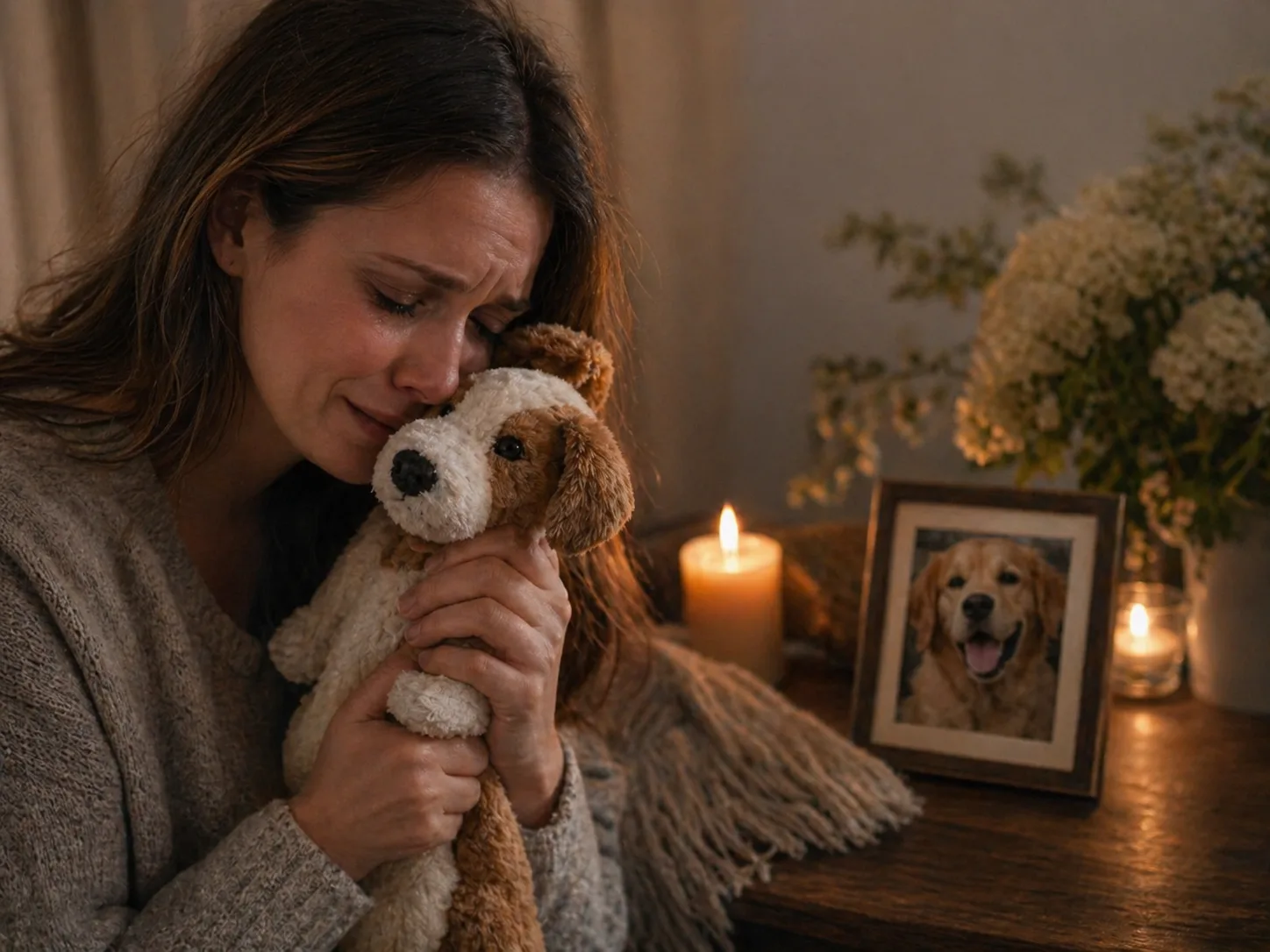
The Depth of Our Connection
When a pet passes away, the pain can be intense and catch us off guard. It is common to wonder why the loss feels so heavy. Science helps explain the unique, profound bonds we form with our animals and why their absence leaves such a distinct silence in our daily lives.
The Chemistry of Bonding
Interacting with a pet triggers the release of oxytocin, often called the 'love hormone.' This chemical plays a key role in trust, bonding, and our sense of well-being. Whether you are petting your dog, cuddling your cat, or simply sitting near each other, your brain releases oxytocin, and theirs does too. This creates a reciprocal, physical connection. When a pet is gone, that reliable, natural source of comfort disappears, which can leave you feeling empty and disconnected.
Pets as Family Members
For many, a pet is an integral part of the household. They offer a kind of unconditional love and companionship that is rarely found elsewhere. They are there for our quiet moments and our big life changes, acting as a constant, non-judgmental presence. Because they are so deeply woven into your daily life—your morning routine, your walks, your evenings on the couch—losing them feels like losing a core part of your family. The sudden absence of that routine creates a very real, tangible sense of loneliness.
Validating Your Grief
Psychology and grief research now widely recognize that losing a pet is a legitimate, significant form of bereavement. The depth of your grief is directly tied to the strength of your bond, the time you spent together, and the specific role they played in your life. Factors like their age, the circumstances of their passing, and the support you have around you all shape how you experience this loss.
Finding Your Way Forward
Understanding the science behind your grief can be a small comfort, confirming that your pain is a natural reaction to losing a loved one. It is okay to acknowledge that this hurts.
- Acknowledge your feelings: It is normal to feel sad, angry, or confused. Let yourself experience those emotions without judgment.
- Talk about your pet: Sharing stories with friends or family who understand can help you process your memories.
- Keep familiar routines: While it may be hard, holding onto parts of your daily schedule can provide a small sense of stability.
- Find your people: Connect with others who have experienced the loss of a pet and understand the weight of it.
At PawMemora, we know how deep the bond with a pet goes and how heavy the sorrow can be when they are gone. We are here to help you honor their memory in a way that feels right for you.